
Table of Contents
- Introduction: Why Blockchain Security Matters
- Core Layers & Attack Surfaces in Blockchain
2.1 Network & Consensus Layer
2.2 Smart Contract & Execution Layer
2.3 Endpoint, Wallet & Key Management Layer
2.4 Oracle & Integration Layer - Major Blockchain Security Challenges
3.1 51% & Consensus Attacks
3.2 Smart Contract Exploits & Vulnerabilities
3.3 Private Key Compromise & Wallet Attacks
3.4 Oracle Manipulation & Data Feeds
3.5 Routing, Sybil & Network Attacks
3.6 Privacy Leakage & Transaction Malleability
3.7 Bridge & Cross-Chain Vulnerabilities - Best Practices & Defensive Strategies
4.1 Formal Verification & Audits
4.2 Multi-Sig, Threshold Schemes & Access Control
4.3 Secure Key Storage & Hardware Solutions
4.4 Robust Oracles & Data Validation
4.5 Monitoring, Anomaly Detection & Incident Response
4.6 Layered Architecture & Defense in Depth - Why Font Businesses & Creative Websites Should Care
- Visualizing Font Mockups in Secure Environments
- Conclusion & Call to Action
- References
1. Introduction: Why Blockchain Security Challenge Matters
Blockchain Security Challenge is often lauded for immutability, decentralization, and trustless architectures. But “secure by design” does not mean “immune to attack.” Real-world incidents (such as bridge hacks, contract exploits, or key thefts) show that every layer of a blockchain stack is vulnerable if not carefully engineered.
For a creative business like Edric Studio, which sells fonts and showcases them online, you might wonder: “Why should a blockchain security article matter to me?” Several reasons:
- If you ever integrate blockchain (e.g. NFT font licensing, proof of authenticity) → security is critical
- Even if not, using blockchain examples helps show forward-thinking positioning to your audience
- Awareness of security challenges helps your site authors, devs, and design team guard against analogous web (not blockchain) security pitfalls
Here are some internal examples where fonts could be visualized securely online:
- Aldora Futuristic Font
- Myron Hector Sans Serif Font
- GoldInFinance Sans Serif Font
- Airframe Sans Serif Font
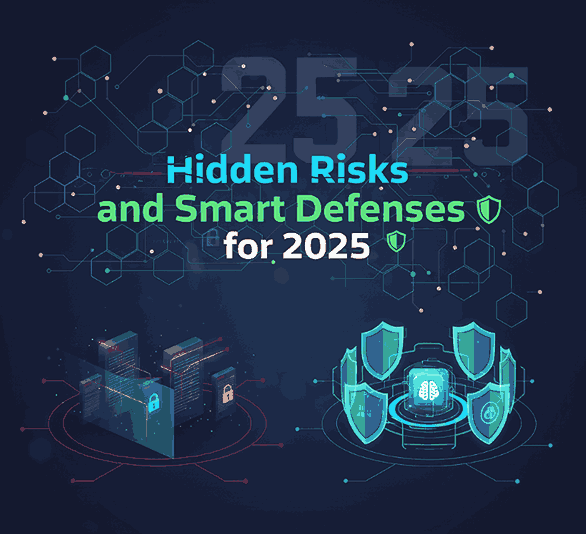
2. Core Layers & Attack Surfaces in Blockchain Security Challenge
To understand blockchain security challenges, we need to break down its layers:
2.1 Network & Consensus Layer
Includes peer-to-peer protocols, block propagation, and consensus mechanisms like Proof of Work or Proof of Stake.
2.2 Smart Contract & Execution Layer
Covers on-chain logic (e.g., Ethereum or Solana contracts) where bugs can directly affect funds.
2.3 Endpoint, Wallet & Key Management Layer
The most vulnerable user-facing layer where private keys and wallets are stored.
2.4 Oracle & Integration Layer
Where off-chain data meets blockchain—often the weakest link.
3. Major Blockchain Security Challenge
3.1 51% & Consensus Attacks
If a malicious entity controls most of the network’s power, they can double-spend or censor transactions.
3.2 Smart Contract Exploits & Vulnerabilities
Common issues include reentrancy, integer overflows, or logic flaws leading to stolen funds.
3.3 Private Key Compromise & Wallet Attacks
Losing a private key equal losing control of all associated assets.
3.4 Oracle Manipulation & Data Feeds
Fake or manipulated data inputs can crash entire DeFi protocols.
3.5 Routing, Sybil & Network Attacks
Hackers may isolate nodes or disrupt block propagation.
3.6 Privacy Leakage & Transaction Malleability
Public blockchains expose patterns and allow attackers to alter transaction signatures.
3.7 Bridge & Cross-Chain Vulnerabilities
Bridges are prime hacking targets, with billions lost in recent years.
4. Best Practices & Defensive Strategies
4.1 Formal Verification & Audits
Smart contracts must be mathematically validated and regularly audited.
4.2 Multi-Sig, Threshold Schemes & Access Control
Avoid single points of failure in private key management.
4.3 Secure Key Storage & Hardware Solutions
Use hardware wallets and secure enclaves to protect keys.
4.4 Robust Oracles & Data Validation
Adopt decentralized oracles and cross-verify data sources.
4.5 Monitoring, Anomaly Detection & Incident Response
Automated alerts for suspicious transactions are essential.
4.6 Defense in Depth
Security should exist across all layers, not just contracts.
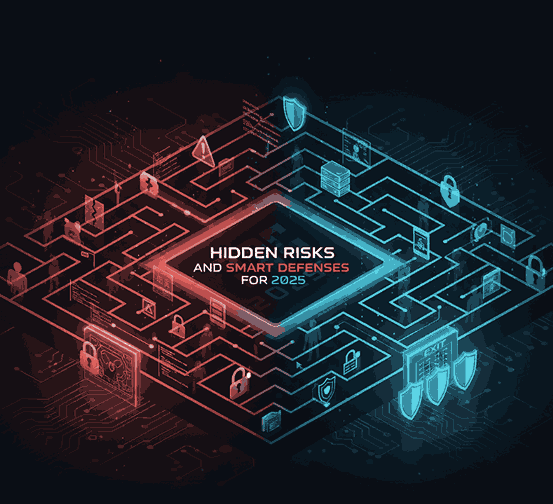
5. Why Font Businesses & Creative Websites Should Care
Even if your business isn’t blockchain-based, principles from blockchain security apply to web design and digital asset protection:
- Protecting digital files (like fonts) from piracy
- Validating authenticity of assets before sale
- Guarding against phishing or fake download links
- Exploring NFTs or blockchain licensing as future opportunities
6. Visualizing Font Mockups in Secure Environments
On your website, fonts like:
- Aldora Futuristic Font
- Myron Hector Sans Serif Font
- GoldInFinance Sans Serif Font
- Airframe Sans Serif Font
… could be integrated with blockchain for secure licensing. If metadata is stored on-chain, you must ensure:
- Metadata integrity (not tampered with)
- Secure delivery of font previews
- Safe handling of user inputs (e.g., text preview tools)
7. Conclusion & Call to Action
The Blockchain Security Challenge remains one of the biggest barriers to mass adoption. From consensus attacks to bridge vulnerabilities, businesses and developers must adopt multi-layered defenses.
For Edric Studio, staying informed about blockchain trends positions your brand as future-ready — whether through secure licensing models or innovative NFT font projects.
References
- 101Blockchains – Top 5 Blockchain Security Issues
- GetAstra – Blockchain Security Issues – A Complete Guide
- Chainalysis – Blockchain Security: Preventing Threats Before They Strike
- Hacken – Blockchain Security Vulnerabilities & How to Protect